Leave Your Message

How to Choose the Best Water Based Glue in 2026?

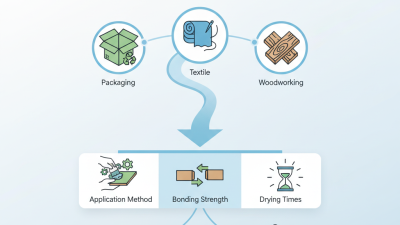
Choosing the right Water Based Glue in 2026 starts with the materials, not the label. Paper, wood, fabric, and packaging each place different demands on an adhesive. A glue that spreads smoothly on cardboard may soak into a porous surface or struggle to hold a heavier joint. Small details matter. Check the product’s technical data sheet for suitable materials, application method, open time, and recommended drying conditions. Then compare those details with the actual job.

Performance also depends on temperature, humidity, surface preparation, and how much glue is applied. A quick workshop trial can reveal problems that a product description cannot. Test on a spare piece, use the intended coating thickness, and allow the stated curing time before judging the bond. Look for clean coverage, manageable tack, and a joint that holds under the conditions it will face. Don’t rush the test. A bond that feels firm at first may need more time.

Safety and reliability deserve equal attention. Read the manufacturer’s handling and storage guidance, and check whether the formulation suits your workspace and process. “Water based” does not mean every product behaves the same way. Some dry faster; others allow more adjustment. And that distinction is easy to overlook. This guide explains the practical factors behind choosing a suitable adhesive, from substrate compatibility to drying behavior. There is no universal best option; the sensible choice is the one verified for your materials and working conditions.
How to Choose the Best Water Based Glue in 2026?

Understand How Water-Based Glue Works

Water-based glue is a polymer dispersed in water, not a polymer dissolved like sugar in tea. As water evaporates or enters a porous surface, polymer particles move closer and form a continuous bonding layer. Pressure helps surfaces contact evenly. The details matter.

On wood, drying depends partly on the material’s moisture level. The USDA Forest Products Laboratory’s Wood Handbook (2021) reports equilibrium moisture content near 9% for wood at 70°F and 50% relative humidity. That moisture can slow water loss, so a thick bead may stay soft longer than a thin one. Paper and fabric absorb water quickly; sealed plastic does not. I’ve learned not to judge a bond by its first few minutes.

For close-fitting, porous materials, water-based glue can form a dependable joint with simple cleanup. But it needs time and a path for moisture to escape. ASTM D905 describes a standard method for measuring the shear strength of adhesive bonds in wood, a useful reminder that appearance alone cannot prove strength. Test a small sample under your actual room conditions. Humidity changes the result. And sometimes the label’s drying estimate feels optimistic.
Identify the Materials and Conditions for Your Project

Start with the materials, not the product description. Water-based glue often works well on porous surfaces such as paper, unfinished wood, and fabric because it can spread into their fibers. Check whether both surfaces absorb moisture. Smooth plastic, sealed wood, and painted metal may need a different adhesive or surface preparation. Read the label for approved materials; “all-purpose” does not mean suitable for every combination.

Try a small offcut first. A bead of glue on scrap cardboard can show whether it spreads evenly or wrinkles the paper. That detail is easy to miss. Then consider the room: cold temperatures can slow drying, while very dry air may make exposed glue skin over sooner. Damp materials can weaken the bond or extend curing time. Apply a thin, even layer, align the pieces, and use gentle pressure if the instructions recommend it. Avoid judging the bond while it still feels tacky; drying at the surface does not always mean it has cured throughout. I sometimes find that a test piece behaves better than the finished project, so allow extra time when conditions change.

How to Choose the Best Water Based Glue in 2026? - Identify the Materials and Conditions for Your Project

Adhesive Type Materials It Commonly Bonds Best Project Conditions Moisture Performance Important Limitations Preparation and Application Tips
PVA wood glue Porous wood, paper, cardboard, and some fabric-to-wood applications Indoor woodworking, furniture assembly, and joinery where close-fitting parts can be clamped Ranges from low to water-resistant depending on the formulation; ordinary indoor grades are not intended for prolonged wet exposure Does not reliably bond many smooth, non-porous plastics or oily surfaces. A tight joint and adequate clamping are important. Fit parts closely, remove dust, apply an even coat, and clamp as directed on the product label. Allow the joint to cure before loading it.
Water-resistant PVA wood glue Wood and other porous materials used in cabinetry, trim, and outdoor wood projects Projects that may experience occasional dampness or humidity, provided the product is rated for the intended exposure Some grades meet recognized water-resistance classifications; resistance is not the same as suitability for continuous immersion Performance varies by grade and standard. It may not suit submerged joints or every exterior application. Check the stated exposure rating and service temperature. Seal the finished project where appropriate, and follow the specified clamp and cure instructions.
Acrylic dispersion adhesive Paper, card, textiles, some foams, and certain porous building or craft materials Flexible laminating, crafts, flooring, or construction tasks when the adhesive is specifically formulated for the materials Varies widely by formulation; some products tolerate humidity or occasional moisture, while others are intended for dry indoor use “Acrylic” does not guarantee compatibility with every surface. Some formulations may stain, stiffen fabric, or have limited heat resistance. Test on an inconspicuous area, especially with fabric or decorative surfaces. Apply at the label’s recommended coverage and temperature.
Dextrin or starch-based adhesive Paper, cardboard, labels, envelopes, and other cellulose-based materials Paper converting, packaging, bookbinding, and lightweight craft work in dry indoor environments Generally sensitive to water and high humidity unless specially modified Usually unsuitable for structural joints, wet locations, or non-porous materials such as glass and metal. Use a thin, even coat and align paper promptly. Avoid excess adhesive, which can cause wrinkling or prolonged drying.
Water-based contact adhesive Selected laminates, rubber, leather, cork, and some foam or fabric materials, subject to product compatibility Large-area bonding when immediate grab is useful and both surfaces can be prepared as directed Depends on the formulation and intended application; do not assume it is suitable for exterior or continuously wet service Many contact adhesives require coating both surfaces and allowing a prescribed drying or tack period before assembly. Repositioning may be difficult afterward. Confirm that the adhesive is rated for both substrates. Observe ventilation, application, tack-time, and pressure instructions on the label.
Wallpaper paste Wallpaper and wallcoverings made from paper or compatible nonwoven materials Interior wallcovering installation on sound, clean, dry, properly prepared walls Designed for indoor use; persistent dampness can weaken the bond and encourage wallcovering problems Paste type must match the wallcovering and installation method. It is not a general-purpose repair adhesive. Prepare and prime the wall as required. Follow the wallcovering instructions for paste application, booking time, and positioning.
Water-based craft or school glue Paper, card, and some porous craft materials Light-duty indoor projects where easy cleanup and simple application are priorities Typically limited; many products soften or lose strength when wet Not designed for structural repairs, heavy loads, or demanding moisture and heat conditions. Use on clean, absorbent surfaces. Apply sparingly and let the project dry fully before handling or use.

Selection note: Water-based adhesives generally need at least one porous surface so water can escape as the bond dries. Product performance, open time, clamp time, and cure time vary by formulation, material, temperature, and humidity. Check the current technical data sheet and label before use.

Compare Glue Types, Strength, and Drying Times

Water-based glue is not one single formula. PVA glue suits paper, wood, and other porous surfaces, where it dries into a flexible-to-firm bond. Starch-based glue often works well for lightweight paper tasks, but moisture can weaken it. Acrylic water-based adhesives may offer better grip on selected materials; check the label for compatible surfaces. A strong-sounding product can still disappoint on smooth plastic.

Compare strength on the material you plan to join, not just on the bottle. Wood glue needs close-fitting surfaces and firm pressure; a visible gap can weaken the joint. Paper glue usually sets faster in a thin layer than in a thick, wet patch. That matters. Dry-to-touch is not the same as fully cured, and cool, humid rooms can slow both stages.

For a small craft repair, a quick-setting formula may be convenient. For a shelf joint, prioritize a product rated for wood and allow its stated curing time before loading it. Not always. More glue does not mean more strength; excess adhesive can trap moisture and extend drying. Test a discreet spot when finish or color matters. I would still allow extra time in a damp room, because real drying conditions rarely match a neat package estimate.

Evaluate Safety, Certifications, and Product Specifications

Choosing water based glue in 2026 means checking more than the front label. Read the safety data sheet and product instructions before opening the container. Look for handling guidance, ventilation advice, first-aid details, and information about preservatives or volatile compounds. “Water based” does not mean harmless. Keep glue away from children, and follow the stated storage instructions.

Check whether claimed certifications apply to your project and region. A standard for art materials may not cover toys, food contact, or building work. Verify the certificate or test report with its issuing organization, and confirm the exact product name and formulation. Small print matters. A certificate for one use is not a promise of universal safety.

Then compare the specifications with the materials you plan to bond. Note viscosity, solids content, open time, setting time, and recommended temperature range. These details affect brush control, clamping, and drying. A glue that works on paper may fail on a damp wooden joint. I would test a small offcut first, even when the label sounds reassuring. Let it cure fully, then check for peeling, cloudy residue, or a brittle bond. One awkward detail: workshop humidity can make published drying times feel optimistic.

Test Your Options and Choose the Best Fit

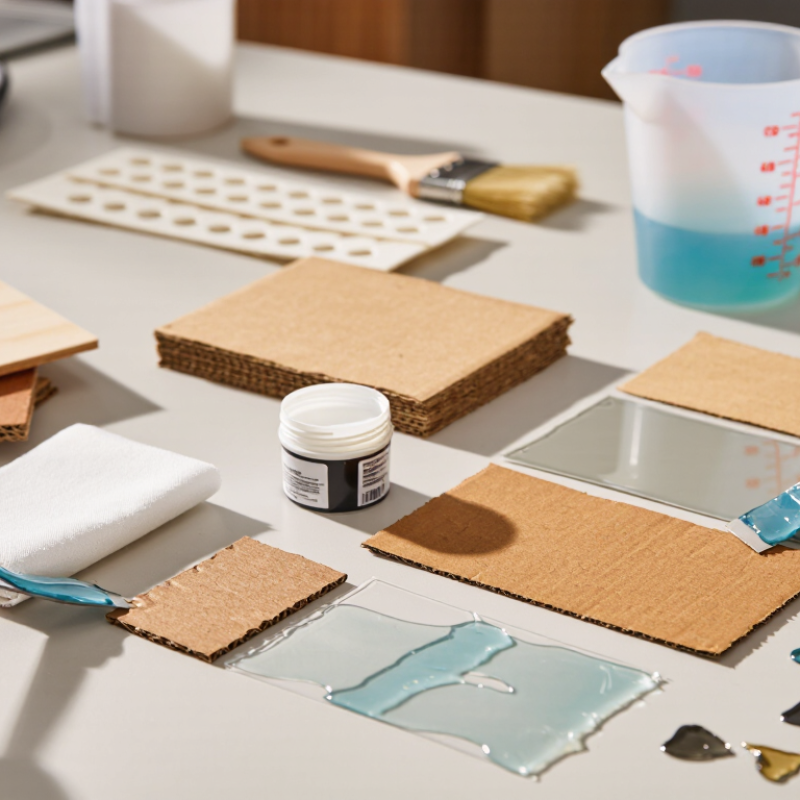
When choosing a water-based glue in 2026, test it on the materials you actually plan to join. A product that grips paper quickly may behave differently on sealed wood or fabric. Start with clean, dry sample pieces, and apply the same amount of glue to each. A small brush or plastic spreader helps keep the coating even. Small differences matter. Press the pieces together with consistent pressure, then follow the stated drying and curing times. Do not judge a bond while it is still damp.

Record the open time, cleanup effort, and how easily each sample shifts before setting. After curing, test the joint gently by pulling or flexing it; use a fresh sample for each test. If the finished item may get wet, check the glue’s stated water resistance and test a cured joint under similar conditions. A warm, humid room can change drying behavior. So can a very thin or uneven coat. One quick test is not proof of long-term performance, and I have to admit that convenient bench tests can create false confidence. Keep notes on temperature, material, and application amount, then repeat the test if the results seem inconsistent.

How to Choose the Best Water-Based Glue in 2026? Test Your Options and Choose the Best Fit

A practical comparison framework for testing water-based adhesives on your intended materials and under your working conditions.

How to use this chart: The scores are example planning weights, not measured product results. Test each candidate on your actual substrates, then rate bond strength, drying time, water resistance, ease of application, and material compatibility from 1 to 5. Choose the adhesive that best meets your project’s priorities.