Why Is Book Binding Adhesive Important for Durable and Professional Books?
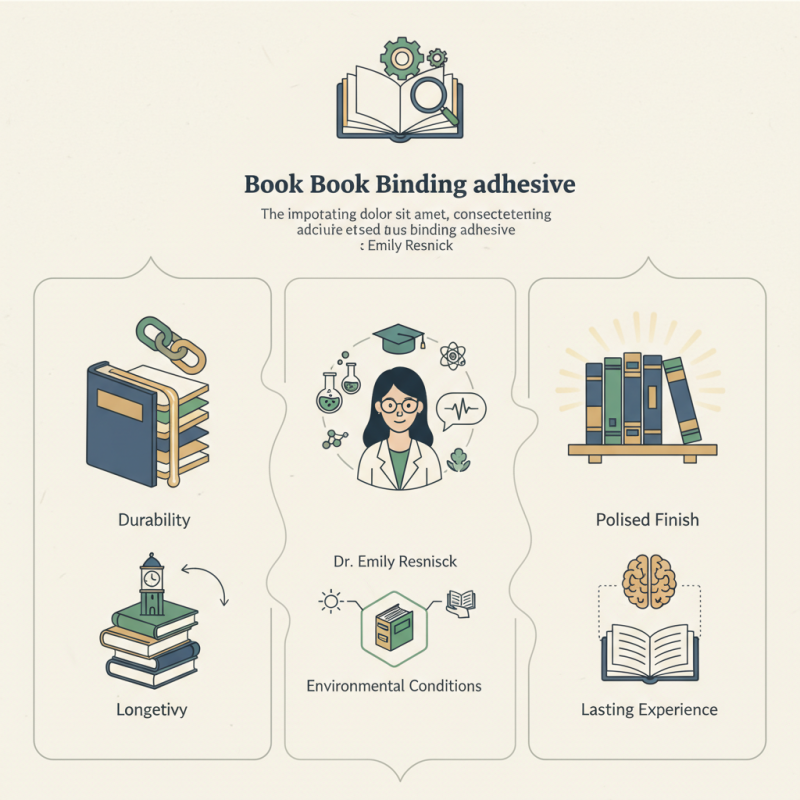
Book Binding Adhesive plays a crucial role in determining the durability and professionalism of books. According to Dr. Emily Resnick, a noted expert in book preservation, “The strength of a book lies in its binding.” This statement emphasizes the significance of adhesive selection in the book-making process.
In an age where digital formats dominate, print publications still hold value. High-quality Book Binding Adhesive ensures longevity and resilience, giving books a polished finish. It affects not only how books feel, but also their shelf life. A well-bound book can withstand the test of time and repeated use, making it a reliable choice for both casual and serious readers.
However, not all adhesives are created equal. Factors like environmental conditions and intended usage can influence efficacy. The right choice requires consideration and expertise. Many publishers overlook these details, leading to early wear and tear. A valuable takeaway is understanding the importance of Book Binding Adhesive in delivering not just a product, but also a lasting experience.
The Role of Book Binding Adhesive in Ensuring Structural Integrity
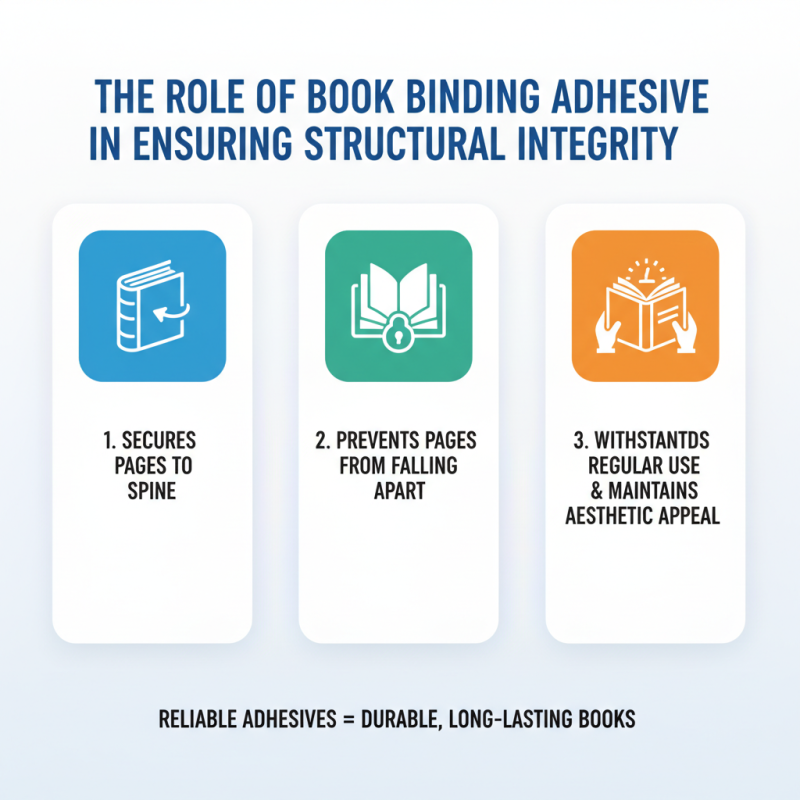
Book binding adhesives play a critical role in maintaining the structural integrity of books. These adhesives ensure that pages stay firmly attached to the spine. Without reliable adhesives, even the best-quality paper could fall apart over time. A well-bound book can withstand regular use and maintain its aesthetic appeal.
The choice of adhesive affects a book's durability. For instance, some adhesives work better with different paper types. Others offer varying drying times, which can influence the finishing process. An adhesive that dries too quickly may compromise alignment. On the other hand, one that takes too long might lead to excess wrinkling. Each choice comes with trade-offs that must be considered carefully.
In an ideal world, every step in book binding would be flawless. Unfortunately, imperfections can slip through despite rigorous quality checks. A book might arrive with misaligned pages or a loose spine. These flaws not only reduce quality, but they also diminish the reader’s experience. Continuous refinement of binding techniques is essential. It’s a constant journey toward achieving that perfect blend of form and function.
Types of Adhesives Commonly Used in Book Binding
Book binding adhesives play a crucial role in ensuring the durability and professional appearance of books. Different types of adhesives are used, each with its unique properties and applications. One common type is PVA (polyvinyl acetate) adhesive. It dries clear and offers a strong bond, making it ideal for children’s books and textbooks.
Another option is hot melt adhesive. This adhesive is usually applied in a liquid form and hardens quickly upon cooling. Its fast-setting nature is beneficial in high-volume printing environments. However, it may become brittle over time, affecting longevity.
In addition, some binders utilize EVA (ethylene-vinyl acetate) adhesive. This type offers flexibility, which is useful for books requiring a soft cover. It is also resistant to moisture, adding more protection. Each adhesive option has its advantages and disadvantages. The choice of adhesive impacts the book's usability and lifespan significantly. Careful consideration is essential when selecting the right product for specific projects.
How Adhesive Quality Affects the Durability of Books
The quality of book binding adhesive plays a crucial role in determining the longevity of books. High-quality adhesives create a strong bond between pages and covers. This bond helps withstand daily handling and aging. Over time, cheaper adhesives may degrade, causing pages to fall out. A well-bound book should remain intact for years.
Durability is not just about the adhesive; it involves the entire binding process. Each step impacts the final product. For example, a strong adhesive may fail if not applied at the right temperature. Flaws in application can compromise durability. It’s essential for publishers and binders to maintain rigorous standards throughout the binding process.
Consider the context of archival materials. They require specific adhesives to resist yellowing and brittleness over time. Neglecting these details can lead to significant deterioration. Books can end up damaged, rendering them unusable. A thoughtful approach to adhesive choices can vastly improve the lifespan of books.
Why Is Book Binding Adhesive Important for Durable and Professional Books?
| Adhesive Type |
Durability Rating |
Optimal Application Method |
Cost per Gallon |
Environmental Impact |
| PVA (Polyvinyl Acetate) |
High |
Brush |
$25 |
Low |
| Hot Melt Adhesive |
Medium |
Hot Glue Gun |
$30 |
Medium |
| Ethylene Vinyl Acetate (EVA) |
High |
Roller Coater |
$40 |
Low |
| Hide Glue |
Low |
Brush or Roller |
$15 |
High |
Professional Techniques for Applying Book Binding Adhesives
Applying book binding adhesives effectively is crucial for creating durable, professional books. The right adhesive can significantly affect the lifespan of a book. According to a study by the Library of Congress, books bound with high-quality adhesives can last over 100 years. This is in stark contrast to those using inferior materials, which may deteriorate within a decade.
Professional techniques for applying these adhesives vary. A common method involves using a brush for even application, ensuring all pages adhere properly. The temperature of the adhesive is also critical. Applying it too hot or cold can result in uneven adhesion or bubbling. Research from the Bookbinding and Preservation Technical Committee highlights the importance of maintaining a consistent temperature to avoid such issues.
Training and experience are essential in mastering these techniques. Newcomers often struggle with finding the right balance. They may use excessive or insufficient adhesive, leading to binding failures. Continuous practice can reduce these missteps, reinforcing the need for quality training in bookbinding. By focusing on these methods, professionals can overcome initial challenges and produce lasting literary works.
Maintaining and Repairing Books: The Importance of Adhesive Choice
Choosing the right adhesive is crucial for maintaining and repairing books. A poor choice can lead to quick degradation. For instance, cheap adhesives may become brittle over time. They can cause pages to detach and the spine to crack. Therefore, understanding the properties of book binding adhesives is essential.
Professional binders often recommend specific adhesives for different types of repairs. Some adhesives offer flexibility, which is vital for books that experience frequent use. Others provide a strong bond but may lack enough give. This choice impacts the book’s longevity and usability. It’s often a balancing act between strength and flexibility.
Ignoring the adhesive choice can result in frequent repairs that are sometimes ineffective. This creates frustration for readers and collectors alike. Reflecting on the impact of adhesive selection can lead to better decision-making in book preservation. Ultimately, investing in quality materials pays off with durable, professional-looking books.
 +86-15666836565
 CONTACT NUMBER