Top 10 Uses for Hot Glue Pellets in Crafting and DIY Projects?
Hot Glue Pellets have transformed the crafting and DIY landscape. As a versatile adhesive, they offer quick bonding solutions for a variety of projects. According to the Craft and Hobby Association, the global craft industry is projected to reach $50 billion by 2024, highlighting the increasing popularity of DIY activities among consumers.
Experts like Dr. Emily Carter, a leading adhesive technology researcher, emphasize the practical benefits of Hot Glue Pellets. She once stated, "These pellets provide crafters with a fast, clean bond, making projects more efficient." This efficiency is particularly appealing for both novice and experienced crafters alike, as it allows for creativity without the frustrating wait times associated with traditional glues.
However, reliance on Hot Glue Pellets can present challenges. Some crafters might overlook the need for proper application techniques. Too much adhesive can reduce bond strength, and not all materials are compatible. The learning curve is sometimes steep, and it’s crucial for users to reflect on their methods. Despite these concerns, the growing use of Hot Glue Pellets remains a testament to their value in the crafting community.
Top Benefits of Using Hot Glue Pellets in Crafts
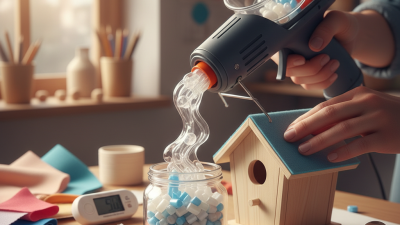
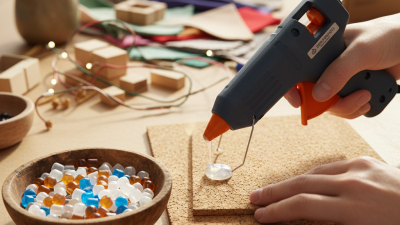
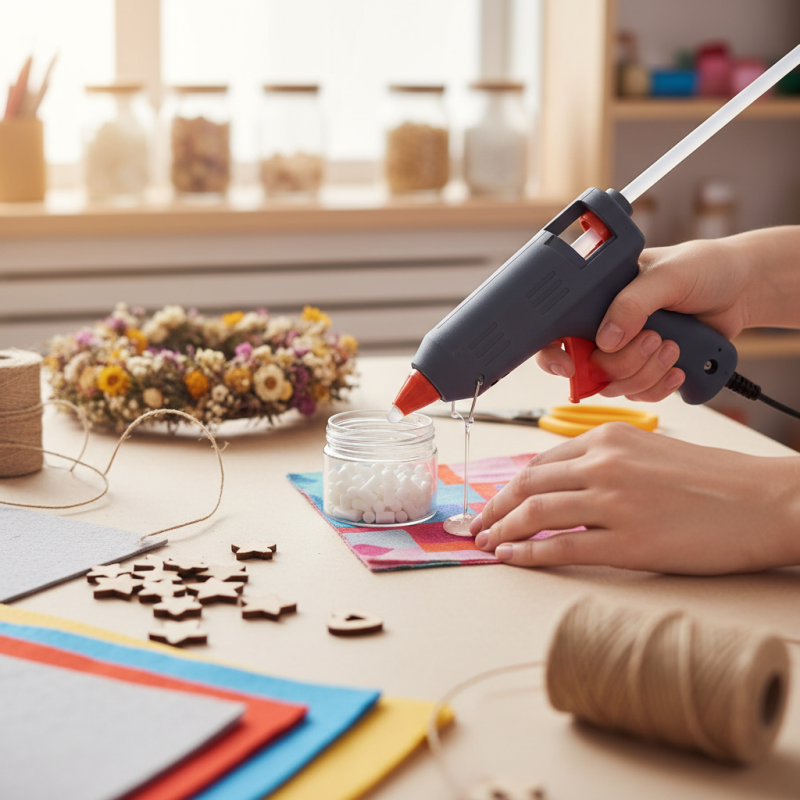
Hot glue pellets are versatile tools in crafting and DIY projects. They heat quickly, easily melting into a usable adhesive. One major benefit is their accessibility. Beginners find these pellets simple to use. However, learning the right temperature settings can take some time. Too hot, and the glue can become messy. Too cool, and it won't bond properly.
Using hot glue pellets can enhance creativity. They work well on various surfaces, from wood to fabric. This multi-surface capability allows for diverse projects. For instance, you can create decorative items or repair small household objects. It’s notable that not all surfaces give equal results, leading to frustration. Experimenting on different materials helps avoid surprises.
Lastly, hot glue's quick-drying nature is a huge plus. Crafters can continue working without long waiting times. Yet, this speed sometimes leads to hasty mistakes. Rushing can result in uneven applications. Taking a moment to plan each bond can make a big difference. Embracing the learning curve will ultimately enhance your crafting skills.
Common Materials That Work Well with Hot Glue Pellets
When it comes to crafting, the choice of materials can make a significant difference. Hot glue pellets are versatile, and some materials pair exceptionally well with them. Paper and cardboard are among the most popular choices. They bond quickly and securely, creating sturdy structures. This makes them ideal for scrapbooking, model-making, or creating cards. However, not all types of paper will hold up. Thinner paper may wrinkle, which can be frustrating.
Fabric is another common material that works beautifully with hot glue pellets. Cotton, felt, and denim adhere well, offering flexibility for various projects. You can easily create unique accessories or home décor items. Yet, be mindful when using delicate fabrics. They may scorch if the glue is too hot. Understanding the right temperature for your glue gun is crucial.
Plastic is also a viable choice. It allows for innovative crafting, whether you're making toys or customized storage solutions. However, some plastics do not bond well. Testing your specific type is recommended. Wood can be tricky too. While hot glue works for small crafts, larger projects may require stronger adhesives. Balancing creativity and practicality will enhance your crafting experience.
Top 10 Uses for Hot Glue Pellets in Crafting and DIY Projects
| Use Case |
Common Materials |
Tips |
| Craft Projects |
Paper, Cardstock |
Use a low-temperature glue gun for delicate projects. |
| Decorative Items |
Wood, Fabric |
Strengthen bonds by roughening surfaces before applying glue. |
| DIY Repairs |
Plastic, Glass |
Ensure surfaces are clean and dry for better adhesion. |
| Jewelry Making |
Beads, Metal |
Use sparingly to avoid excess glue visibility. |
| Holiday Decorations |
Foam, Ribbon |
Test for compatibility with materials first. |
| Model Building |
Cardboard, Plastic |
Allow glue to cool slightly before joining parts. |
| Framing Artwork |
Wood, Glass |
Use clamps to hold pieces in place while drying. |
| Customized Gifts |
Fabric, Paper, Plastics |
Experiment with different textures for visual appeal. |
| Seasonal Crafts |
Natural Elements, Paper |
Use seasonal colors to enhance the aesthetic. |
Step-by-Step Guide to Creating DIY Projects with Hot Glue Pellets
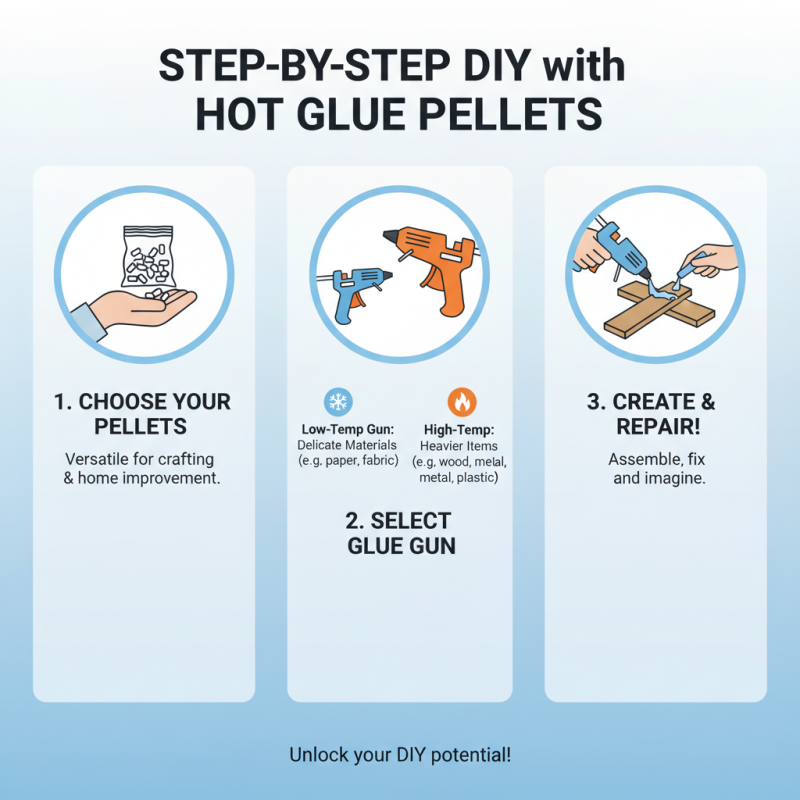
Hot glue pellets are an essential tool for many DIY enthusiasts. They offer versatility in crafting and home improvement projects. To effectively utilize hot glue pellets, start by selecting the right glue gun. A low-temperature glue gun is suitable for delicate materials. A high-temperature gun works best for heavier items.
When using hot glue, ensure your surfaces are clean. This improves adhesion and durability. Apply the glue in a steady motion for even distribution. Use a spatula or stick to smooth the glue if needed. This can help avoid mess and provide a polished look.
Tips: Allow the glue to cool slightly before pressing your materials together. This prevents burns and makes positioning easier. If a project doesn’t turn out as expected, don’t hesitate to peel off the glue and start anew. It might take several tries to achieve the desired outcome, but that’s part of the crafting process. Remember that experimentation can lead to unique and creative results. According to recent industry data, around 68% of crafters report that hot glue increases their project success rate. Embrace the learning curve and enjoy the process!
Safety Tips for Working with Hot Glue Pellets in Crafting
Working with hot glue pellets can be a joy, but safety should always come first. These pellets melt quickly, creating a strong bond for your crafting projects. Yet, the heat involved can lead to burns if you're not careful. Always use a glue gun with safety features. Keep your workspace organized and clear of clutter to minimize accidents.
When using hot glue, wear protective gear like fingertip protectors. This can prevent burns from hot glue drips. If you have children around, supervise them closely when using hot glue. Teach them the importance of staying safe while crafting. Remember, it's okay to take breaks if you're feeling rushed. Rushing can lead to mistakes.
Always work in a well-ventilated area. The fumes from melted plastics can irritate your respiratory system. If you notice any discomfort, step away and breathe fresh air. Keep a bowl of cold water nearby to cool any glue drips quickly. This serves both safety and efficiency, as it allows for easy cleanup. Taking these precautions can make your hot glue crafting experience enjoyable and safe.
Creative Ideas for Repurposing Hot Glue Pellets in Home Decor
Hot glue pellets are a versatile tool for crafting and home decor. They provide quick-drying adhesive power that's perfect for a variety of projects. According to a report by the Adhesive and Sealant Council, the crafts market alone is projected to grow by 3.5% annually. This indicates a rising interest in DIY, making hot glue pellets even more valuable.
One creative way to repurpose hot glue pellets is by creating custom candle holders. Simply melt the glue and form it around a mold. Once cooled, you’ll have a unique holder that adds personality to any space. People often overlook the aesthetic potential of hot glue. However, with some patience, it can transform ordinary items into stunning decor pieces.
Another innovative idea is to make decorative wall art. Melt the pellets and use them to create textured designs on canvas. This can give a three-dimensional effect that's visually striking. Research from the Craft Industry Alliance shows that more homeowners are seeking personalized decor. Utilizing hot glue offers an accessible way to express creativity, even for beginners. This use of everyday materials can sometimes lead to unexpected outcomes and a valuable learning experience in crafting.
 +86-15666836565

 CONTACT NUMBER