What is the Best Adhesive for Wood Projects?
When it comes to woodworking, choosing the right adhesive for wood projects is crucial. John Smith, an expert in woodworking and author of "The Art of Adhesives," emphasizes, “The right adhesive can make or break a project.” This quote highlights the significance of selecting the appropriate adhesive to ensure durability and strength.
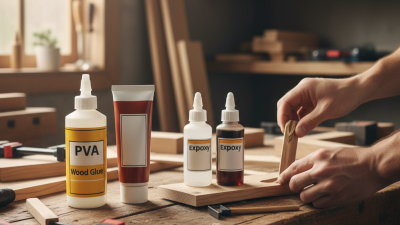
Adhesive for wood varies in types, each suited for different applications. PVA glue, for instance, is popular for its ease of use and strong bond. Epoxy offers exceptional strength, particularly in high-stress areas. However, with so many options available, it can be overwhelming for both beginners and seasoned woodworkers.
Not all adhesives perform equally, and choices can sometimes lead to mistakes. It's essential to consider the materials, climate, and intended use. Testing a small area before committing is often overlooked but can save time and resources. Understanding the properties of each adhesive is vital, as the wrong choice can compromise the integrity of a project.
Types of Adhesives Suitable for Wood Projects
When working on wood projects, choosing the right adhesive is crucial. Several types of adhesives work well with wood.
PVA glue, often used in woodworking, provides a strong bond and is easy to clean up. It dries clear and can be sanded and painted over, which is perfect for finishing touches.
Another option is polyurethane glue. This adhesive expands as it cures, creating a strong, waterproof bond. It's excellent for outdoor projects as it withstands moisture and temperature changes. However, it can be messier to clean up and requires careful application.
Remember that polyurethane glue often requires clamping for optimal results, which can be time-consuming.
Epoxy is another versatile choice. It consists of a resin and a hardener, creating a bond that is incredibly strong and durable.
This adhesive works great for joints that need to withstand stress. Yet, it can be less forgiving due to its quick curing time. Each adhesive type has its strengths and weaknesses, so selecting the right one for your specific project is essential.
Reflecting on past projects can guide your decision, as each adhesive may behave differently based on conditions and materials used.
Factors to Consider When Choosing Wood Adhesives
When choosing an adhesive for wood projects, it’s essential to consider several factors that influence the outcome. The type of wood you are using can significantly affect the adhesive choice. Different woods have varying porosities and grain structures, which impact how well the adhesive bonds. For instance, hardwoods often require stronger adhesives due to their dense structure.
The environment where the project will reside is also crucial. For outdoor projects, you need a water-resistant adhesive. Indoor projects can accommodate less durable options. Be mindful of the curing time as well. Some adhesives set quickly, while others take longer. Understanding your project's timeline helps select the right product.
Lastly, always reflect on your personal experiences with adhesives. Perhaps you’ve had some failures with certain types. Maybe you've discovered the importance of surface preparation. Preparing the wood surface can enhance the bond, regardless of the adhesive type. Not all adhesives will perform equally in every application, so conducting small tests can yield valuable insights. Avoid rushing the process to achieve better results.
What is the Best Adhesive for Wood Projects? - Factors to Consider When Choosing Wood Adhesives
| Adhesive Type |
Setting Time |
Strength |
Water Resistance |
Ease of Use |
| PVA Glue |
30 minutes to 1 hour |
High |
Low |
Very Easy |
| Polyurethane Glue |
1 to 2 hours |
Very High |
High |
Moderate |
| Hide Glue |
10 to 15 minutes |
Medium |
Low |
Easy |
| Epoxy |
5 to 30 minutes |
Very High |
Very High |
Moderate to Difficult |
| Cyanoacrylate (CA) Glue |
Seconds to 10 minutes |
High |
Low |
Very Easy |
Application Techniques for Wood Adhesives
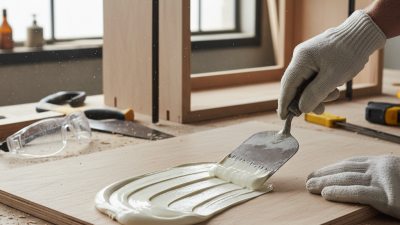
When choosing the right adhesive for wood projects, application techniques play a crucial role. Proper surface preparation is key. Ensure that both surfaces are clean and dry. Remove any dust, dirt, or grease. This simple step can significantly improve bond strength. It’s important to apply the adhesive evenly. A thin, uniform layer is usually more effective than a thick one. After applying, press the pieces firmly together. This allows for optimal contact between surfaces.
Timing is essential in wood bonding. Some adhesives set quickly, while others take time to cure. Follow the manufacturer's guidelines closely. This ensures the best results. Clamping can also improve the bond. Use clamps to hold the pieces together during drying. However, avoid squeezing too hard, as excess adhesive can ooze out. It may require extra clean-up later.
Lastly, consider the effects of temperature and humidity. Wood can expand and contract due to environmental changes. These fluctuations may weaken the bond over time. It’s important to monitor these conditions in your workspace. Reflecting on your techniques can help improve future projects. Don't be afraid to experiment and learn from any mistakes. Adjusting your approach can lead to better results in the long run.
Curing and Drying Times for Wood Adhesives
When selecting an adhesive for wood projects, understanding curing and drying times is crucial. Most wood adhesives take anywhere from 30 minutes to several hours to set. For instance, polyvinyl acetate (PVA) glues typically require 20 to 30 minutes of clamping time. However, they will not reach full strength for 24 hours or more. In contrast, polyurethane adhesives can cure overnight, making them suitable for larger builds.
Drying times vary based on humidity, temperature, and wood species. A study by the Wood Research Institute found that higher humidity can slow drying. Therefore, monitoring your workspace conditions is essential. In some cases, it is wise to wait at least 48 hours before applying stress to the joint. Consider these natural delays as time to plan next steps in your project.
Tips: Test your adhesive on scrap wood first. This can help you understand setting times better. Ensure proper ventilation when working with certain adhesives, as fumes may be harmful. Always apply a clamping technique suited to your joint type for optimal results. Regularly review your methods to see where improvements can be made. After all, wood projects often have room for refinement.
Common Mistakes to Avoid with Wood Adhesives
When working with wood adhesives, many beginners fall into common traps. One major mistake is not preparing the wood surface properly. Dust, oil, or moisture can affect the bond strength significantly. It’s essential to sand the surface lightly and clean it thoroughly. This ensures a strong and lasting adhesion.
Another frequent error is applying too much adhesive. Excess glue doesn’t mean stronger bonds. In fact, it can lead to slippage and longer drying times. Use just enough adhesive to cover the area without oozing. Also, clamping the pieces together firmly helps, but over-clamping may cause the joints to misalign. Reflecting on these details will improve your craftsmanship.
Timing can also be tricky. Rushing the drying process is tempting, but each adhesive has a specific setting time. Patience is key. Waiting allows the adhesive to cure properly. Often, woodworkers may not allow enough time for the bond to set fully. Keeping these points in mind ensures better results in your wood projects.
Adhesive Performance for Wood Projects
 +86-15666836565

 CONTACT NUMBER